
Autism Education/Information
Autism Speaks: Autism Speaks is dedicated to creating an inclusive world for all individuals with autism throughout their lifespan. We do this through advocacy, services, supports, research and innovation, and advances in care for autistic individuals and their families.
ECHO Autism: ECHO Autism Communities is a virtual learning community for a variety of professionals who serve autistic people and people with other disabilities.
Marcus Autism Center: As one of the largest autism centers in the U.S., Marcus Autism Center offers families access to the latest research, comprehensive testing and sciencebased treatments.
Spectrum Autism: Spectrum Autism Support Group provides support, education and resources for individuals and families impacted by autism.
National & Georgia Autism Resources
Kids Waivers: Offers information on children’s Medicaid Waivers, Katie Beckett programs, and other Medicaid programs.
Autism Response Team at Autism Speaks: The Autism Response Team (ART) provides information and referral support for the autism community.
Profound Autism Alliance: Organization that seeks to improve the health and connection of autistic people who require lifetime, round-the-clock care.
Georgia Department of Behavioral Health and Developmental Disabilities: Supports people with intellectual and developmental disabilities and provides them with opportunities to live independently and in the most integrated setting possible.
Community-Based Support Organizations
Find Help Georgia: Centralized directory with thousands of family-serving programs and agencies across Georgia.
Georgia Department of Behavioral Health and Developmental Disabilities (DBHDD) Family Support Services: Community-based, family-focused supports to avoid crises.
Autism Speaks Rapid Response Team: Personalized autism information and resources for any step in the autism path.
Parent to Parent of Georgia: Offers a variety of services to Georgia families impacted by disabilities or special healthcare needs from birth to 26 years of age.
My Autism Team: A free social network where parents can connect to other parents and gain emotional support as well as practical tips, personal experiences, and advice.
Focus: Offers wraparound programs of support to families of children, teens, and young adults who are medically fragile or have developmental/physical disabilities.
Metro Atlanta Autism Resources
Cherokee County:
Cobb County:
Forsyth County:
Fulton County:
North Georgia Autism Resources
Virtual Support Groups
Parent to Parent of Georgia: Offers parent and self-advocate support groups and community resources.
Special Needs Parents of Georiga (Facebook): Parents/caregivers of special needs kids sharing support, information, and resources.
GA Community Autism Support Group (Facebook)
Autism Moms Support Group (Facebook)
Medically Fragile Individuals (Facebook)
Georgia Autism Moms (Facebook)
Special Needs Connection Atlanta Area (Facebook)
Autism Caregiver Coaching & Training Programs
Project ImPACT: Parent training program for parents of young children with autism. Project ImPACT is a naturalistic developmental behavioral intervention (NDBI) designed to help teach parents strategies they can use to help their child develop social, communication, imitation, and play skills during daily routines and activities. They even have a textbook!
Parent to Parent of Georgia: Support for families in GA. Has resources, training, and support groups.
WHO Caregiver Skills Training Program: Caregiver skills training for families of children with developmental delays or disabilities.
The Supernova Parenting 9-Week Virtual Course: 9-week virtual parenting course, scholarships available.
Triple P (Positive Parenting Program): Positive parenting coaching and courses; available in Spanish
Positive Discipline Online Parenting Classes: Focus on respectful communication, setting limits with empathy, building self-regulation, and reducing power struggles. Taught by certified educators; group and 1‑on‑1 options available (Spanish-speaking educators available; camera optional).
The Color of Autism Foundation Programs: This specialized initiative offers a spectrum of services and resources, aiming to address various needs and challenges faced by individuals on the autism spectrum and their families.
GA State LEND Program: The Georgia Leadership Education in Neurodevelopmental and Related Disabilities (GaLEND) program is a one-year interdisciplinary training experience that prepares tomorrow’s leaders to provide coordinated, culturally competent, and familycentered care to children and their families.
Focus Georgia: Programs include hospital support, workshops, adapted day and overnight camps, adapted swim teams, parent share groups, family camps and activities, equipment loan program, grants for critical medical equipment, and more. FOCUS seeks to create a community for families of children with disabilities.
Autism Navigator: Online parent-mediated interventions and learning modules (can be accessed while waiting for services).
SPECTRUM Mocha Matters: is a virtual support group created to reach families of Color with loved ones on the spectrum.
Autism Speaks Rapid Response Team: Personalized autism information and resources for any step in the autism path.
My Autism Team: A free social network where parents can connect to other parents and gain emotional support as well as practical tips, personal experiences, and advice.
Elopement and Safety Resources
Project Lifesaver: Project Lifesaver is the premier search-and-rescue program operated internationally by public-safety agencies, and is strategically designed for “at-risk” individuals who are prone to the life-threatening behavior of wandering or eloping due to autism.
National Autism Association Big Red Safety Box: The Big Red Safety Box is a free-ofcharge toolkit given to autism families in need as a means to educate, raise awareness and provide simple tools that may assist them in preventing, and responding to, wanderingrelated emergencies.
Autism Speaks Wandering Prevention: Tips and resources on preventing wandering and wandering-related tragedies.
GetSafe USA Elopement Prevention and Response Training: Practical tools and proactive strategies to keep individuals with disabilities safe and supported—before, during, and after a wandering incident.
Autism Resources for Grandparents
Project Healthy Grandparents: Support services for grandparents raising grandchildren.
Autism Speaks Grandparents’ Guide to Autism: Autism-focused resources specifically for grandparents.
Resources for Transition to Adulthood
GAIPSEC: Connect with students with Intellectual and Developmental Disorders; access to inclusive post-secondary education.
GA Vocational Rehabilitation Agency Transition Services: GVRA offers Transition Services to support students who may be eligible for vocational rehabilitation services, guiding them as they transition from high school to higher education, training opportunities, and competitive integrated employment.
I Decide GA: What is Supported Decision Making?
Color of Autism: Program for transitioning adult children; post-secondary classes available, etc...
Moving to Adult Healthcare: The Center for Transition to Adult Health Care for Youth with Disabilities is a national health care transition (HCT) resource center. The goal of the center is to empower youth and young adults with intellectual and developmental disabilities (ID/DD) ages 12-26 to direct their own transition from pediatric to adult care with no reduction in quality of care of gaps in service.
Autism Driving Resources
Driving Instruction:
- Outpatient Rehabilitation | Children's Healthcare of Atlanta (choa.org):(Ages 15-21, Atlanta)
- Nathan's Driving School Inc:(Chamblee/Brookhaven, Roswell/Alpharetta, and Brunswick)
- Freedom and Mobility:(Marietta)
- Taggart's Driving School:(Atlanta)
Driving Resources:
Navigating Driving with Autism:
- How to Navigate The Topic Of Driving with ASD: Blog post by autistic advocate.
- The Challenge of Driving with Asperger's: A blog from the New York Times.
Driving Resources and Programs:
- Driving with Autism Resource Guide: A roadmap for individuals with autism and their families to navigate the process of learning to drive
- The Association for Driver Rehabilitation Specialists (ADED): Has a searchable directory of driver rehabilitation providers, and have programs for drivers with autism.
- Georgia Autism Driving Resources - Andrew Arboe: Autistic Self-Advocate and Speaker
Driving Apps:
- Drive Focus: A breakthrough in driver training and rehabilitation – Let's get ready to drive!
Financial Assistance Resources
Georgia WIC Program: Georgia WIC improves the health of families by providing nutritious foods, health education, breastfeeding support, and referrals to health care from staff dedicated to a healthy Georgia.
Family Support Funding (InCommunity Georgia): State-funded financial assistance: Residential, employment, respite, in-home, and day programs for individuals with developmental disabilities.
Georgia Department of Behavioral Health and Developmental Disabilities (DBHDD) Family Support Services: Community-based, family-focused supports to avoid crises.
NOW & COMP Waivers: Long-term Medicaid waiver options for individuals with developmental disabilities (typically a future option due to waitlists).
Georgia Advocacy Office (GAO): Advocacy related to insurance coverage, disability rights, and access to services.
Coverage Options for Small Business or Self-Employed Families:
- https://georgiaaccess.gov/explore-enrollment-options-for-small-businesses/
- https://www.gachamber.com/smart-health-plans/
GA DOE Georgia Special Needs Scholarship: The Georgia Special Needs Scholarship (GSNS) program provides scholarships for qualifying Georgia public school students with an Individualized Education Plan (IEP) or a 504 Plan in specified areas during the previous school year who meet the requirements to qualify for an award. These scholarship funds may be used to offset the cost of attending a private school that participates in the scholarship program.
Katie Beckett Waiver Resources
TEFRA/Katie Beckett | Georgia Medicaid
Katie Beckett (Deeming) Waiver Application Process Webinar: Application resources available in English and Spanish. Parent to Parent of Georgia offers webinars and application support; advocates such as Debbie Dobbs may also assist.
Katie Beckett Deeming Waiver Georgia Guide
Georgia Katie Beckett Medicaid Deeming Waiver Support Facebook Page
KB Office Contacts
- Debbied Dobbs
- 800-378-3142
- office@debbiedobbs.com
- Note: There is a fee associated with this service.
- Amy Pitts
- 770-750-2688
- Provide assistance with determining program eligibility, application submission, filing an appeal, provider and specialty referrals.
- 770-239-1522
Contact the Katie Beckett Office
- For specific questions about items on the application, contact Customer Service: 678-248-7449
- Walk-in hours: Monday- Friday, 8:30-11:00 AM and 2:00-4:00 PM
- Drop off paperwork, see customer service rep for assistance, and obtain general information about the Katie Beckett application process
- Centralized Katie Beckett Medicaid Team: 2211 Beaver Ruin Rd, Suite 150, Norcross, GA 30071
Further Autism Educational Resources
Autism Speaks (Spanish): Resource library for families. The 100-day toolkit is a good place to have families start.
Georgia Autism Hub: Helps families in Georgia of young autistic children find useful tools, reliable information, and ways to connect.
Emory ACCESS Lab Webinars: The ACCESS Lab at the Marcus Autism Center hosted several webinars for caregivers that we put on in partnership with Babies Can't Wait, the Georgia Department of Public Health, and the Georgia Autism Initiative.
Parent to Parent of Georgia: Support for families in GA. Resources, trainings, and support groups.
CDC Autism Index: Educational resources on topics such as treatment/intervention and general parenting resources.
Autism Internet Modules (AIM): Resources and videos with translation, text to speech audio, and other accessibility features. If you decide to share this one, parents may need support making a free account and turning on translation features. Best viewed on a computer versus mobile device.
Find Help Georgia: Online platform available to help find local supportive programs in areas where you live. Contains thousands of family-serving programs, agencies, and organizations such as parenting support, counseling, food pantries, transportation, support for grandparents raising grandchildren, and more.
Supernova Parenting: Empowering families of color facing neurodivergence, intellectual developmental disabilities, and mental health vulnerabilities.
Marcus Autism Center Family Support and Care Coordination: From therapy sessions with facility dogs to an on-site playground we’re especially designed for kids and their families.
Autistic Women & Nonbinary Network (AWN): For BIPOC-centered parenting and neurodiversity resources.
The Color of Autism Foundation Programs: This specialized initiative offers a spectrum of services and resources, aiming to address various needs and challenges faced by individuals on the autism spectrum and their families.
PDA Society: What is Pathological Demand Avoidance?
Kit for Kids: Designed to teach elementary and middle school students about their autistic peers.
Tool Kit: A Parent's Guide to Autism: This guide provides information about what autism is, shares common reactions to getting the diagnosis, reminding parents to take care of themselves, tips to manage the stress that they may experience, sharing tips for supporting siblings, advocating for your child, and building a support network, vignettes of stories from families and frequently asked questions.
Tool Kit: 100 Day Kit for Young Children: This guide is designed to provide you with the information and tools you need to make the best possible use of the days following the diagnosis. It is a comprehensive tool filled with facts and resources such as information about symptoms, treatment, legal rights and advocacy.
Guide for Family and Friends of Autistic Children: This guide will help provide a better understanding of autism, as well as tips, tools, and real-life stories of how to guide and support the child and family immediately after the diagnosis and beyond.
Tool Kit: An Introduction to Behavioral Health Treatments: This toolkit provides behavior basics and information that may help the family understand the functions of a child's behaviors, in addition to basic strategies of increasing appropriate behavior.
Sibling Developmental Monitoring: Given the increased autism risk in siblings of children with a diagnosis of ASD, consider sharing the CDC's "Learn the Signs. Act Early." resources with the family to monitor the younger sibling's developmental milestones.
Autism Navigator About Autism in Toddlers and Video Glossary: This self-paced program will teach families about autism symptoms and supports and intervention to help their child thrive. Autism Navigator also has information about evidence-based supports for everyday activities and developmental growth charts to recognize and monitor meaningful outcomes. Family must create a login to access modules and videos on the website.
Dr. Liz Angoff: Resources that discuss mental health diagnoses, including autism, from a strength-based perspective, and how to discuss strengths and areas of challenge.
Kennedy Krieger Institute: Resource for caregivers talking with the child about their diagnosis of autism.
Books on Autism
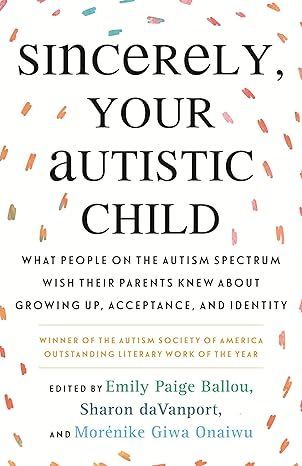
Sincerely Your Autistic Child: Helpful for family and siblings to better understand child’s autism diagnosis
TalkAbility™ Guidebook People Skills for Verbal Children on the Autism Spectrum: A Guide for Parents
Teaching Social Communication to Children with Autism and Other Developmental Delays, Second Edition: The Project ImPACT Manual for Parents
From Emotions to Advocacy by Wrights Special Education Law and Advocacy: To learn disability education rights and advocacy
The Out-of-Sync Child, Third Edition: Recognizing and Coping with Sensory Processing Differences
Who We Are
What We Do
Copyright © 2026
. All Rights Reserved.
Medical Web Design by RemedyConnect.
See our Disclaimer
and Privacy Policy.
Website Admin